Information on depression and anxiety, what they are, how they can affect people and some treatment options.
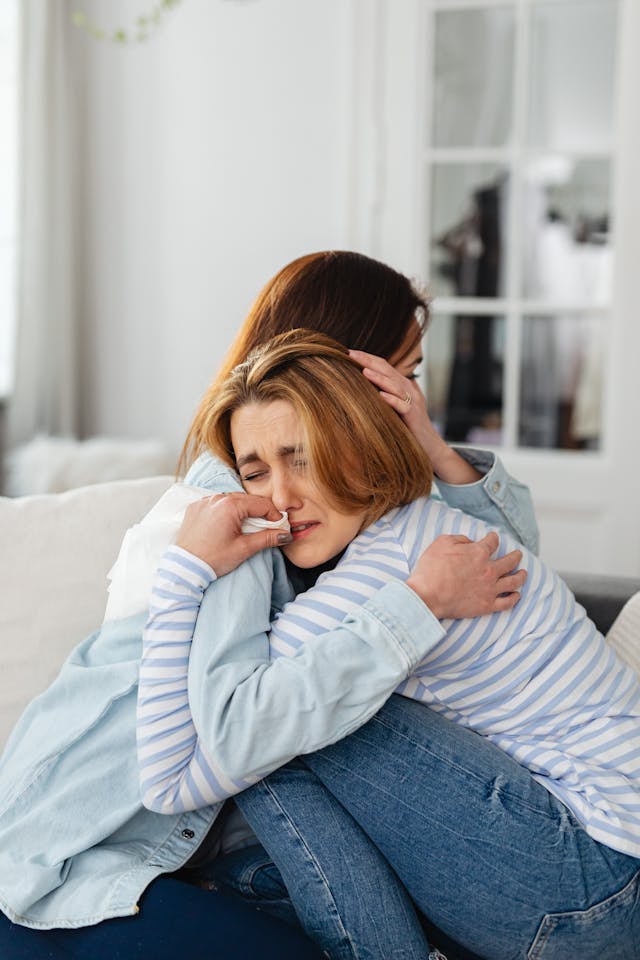
Depression is a mood disorder, that can affect your life greatly for many months or even years. It is more than just feeling sad sometimes.
Depression can range in intensity, it can be general sadness for weeks or months, that doesn't affect your daily life much, so that you can do normal everyday things you would usually do. At the other end of the scale it can greatly affect your daily life and stop you having the ability to do daily tasks and things you would previously have gotten pleasure from. In the most severe forms it can even cause you to feel suicidal at times.
Here are some of the different types of depression:
Depression affects millions worldwide. It is more than feeling sad - it impacts thoughts, behaviour and physical health.
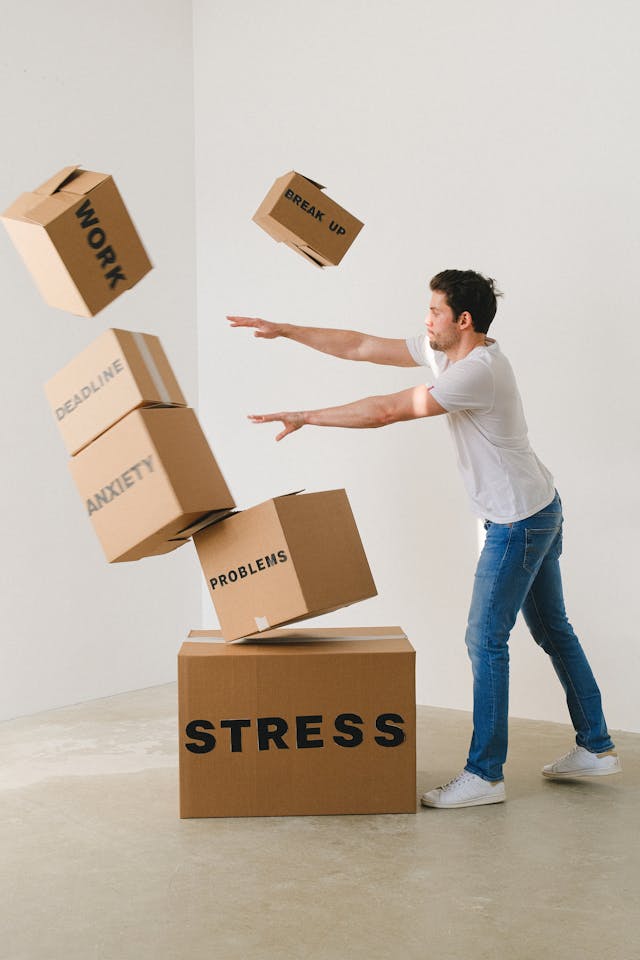
Depression affects people in different ways. It also can cause a wide range of symptoms.
Symptoms of depression include: Feeling hopeless, useless, dejected or unhappy, Low self-esteem
Depression has numerous causes, such as personality issues, family history, events or traumas, even giving birth. These things can vary from losing some or even all interest in the things you used to enjoy and feeling very upset at the mention of them, to continual feelings of hopelessness and/or unhappiness. There can be physical symptoms too, such as feeling constantly tired, sleep issues, having no appetite or sex drive, and various aches and pains.
Depression symptoms have a range of severity. At its mildest, you might just feel persistently low in mood or spirit. If you have more severe depression, it can make you feel suicidal, or that life is no longer worth living. Most people experience feelings of stress, anxiety or low mood at difficult points. However, people suffering from low mood tend to improve after short periods of time, unlike depression which can be more persistent.

Treatment for depression usually involves a combination of lifestyle changes, talking therapies and medicines.
Many people with depression benefit by making lifestyle changes, such as getting more exercise, cutting down on alcohol and caffeine, giving up smoking and eating healthily.
Reading a self-help book or joining a support group can be worthwhile. You may gain a better understanding about what causes you to feel depressed. Sharing your experiences with others in a similar situation can also be very supportive.
Medical intervention is also an option, which involves speaking with your Doctor or GP about your thoughts and feelings so that they can recommend or offer you suitable assistance and treatments, depending on your symptoms and health needs.

Anxiety is where you feel anxious or worried. This can happen as a one-off occurrence, occasionally, or much of the time.
Like depression, Anxiety can range in intensity. Sometimes the effects can be self managed with ease or it can take medical intervention to alleviate the symptoms.
It is possible to have more than one type of anxiety, and many people with depression also have symptoms of anxiety. Some types of anxiety include but are not limited to:
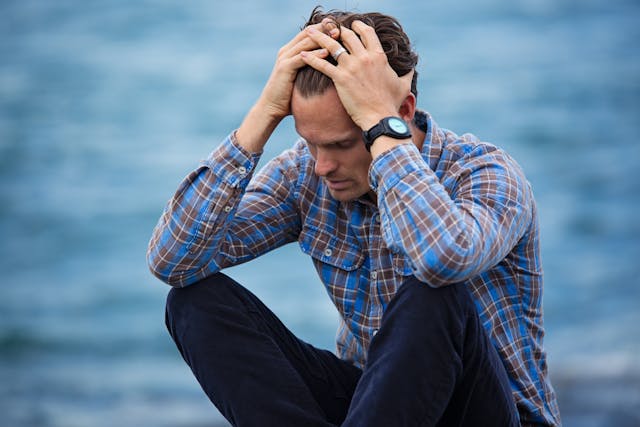
Symptoms of anxiety vary from person to person, and can be different based on the type of anxiety they may have. Symptoms can include but are not limited to: Having a hard time concentrating, Constant worrying, A sense of doom or feeling like you may have done something wrong.
Anxiety can have numerous causes, like traumatic events in the case of PTSD or C-PTSD, public or informal speaking events and situations, accidents, natural disasters and military combat in the past. With so many different possible causes, a wide range of symptoms can exist. People suffering from anxiety can experience shortness of breath, feeling as if nothing they do is right, anger at themselves, and distrust of others or intense feelings of attachment instead.
Anxiety has both physical and mental symptoms that vary from mild to serious. Most times anxiety sufferers are in a low state of anxiety, which means they may constantly seek reassurance or ask questions repeatedly, or even develop skin rashes. Severe anxiety, such as panic attacks, can cause breathing difficulties or heart palpitations, self destructive and self-harm tendencies. With treatment and reassurance, these symptoms can and do sometimes ease after a few minutes or hours.
Information on depression and anxiety, what they are, how they can affect people and some treatment options.

Exercising more and drinking less alcohol can help with anxiety. Treatments include talking therapies and medicines.
Speaking with others can be an effective tool in combating anxiety, such as talking your thoughts out or discussing an event that cause you to feel anxious with a neutral party.
It is also recommended to implement a good sleep schedule to allow you time to rest and refresh yourself for the following day. Taking walks can be beneficial, listening to calming music or meditation may also help.
As with depression, medical intervention is a possibility, but it is recommended that you speak with your doctor or general practitioner about the therapies and medications that would best suit your needs.